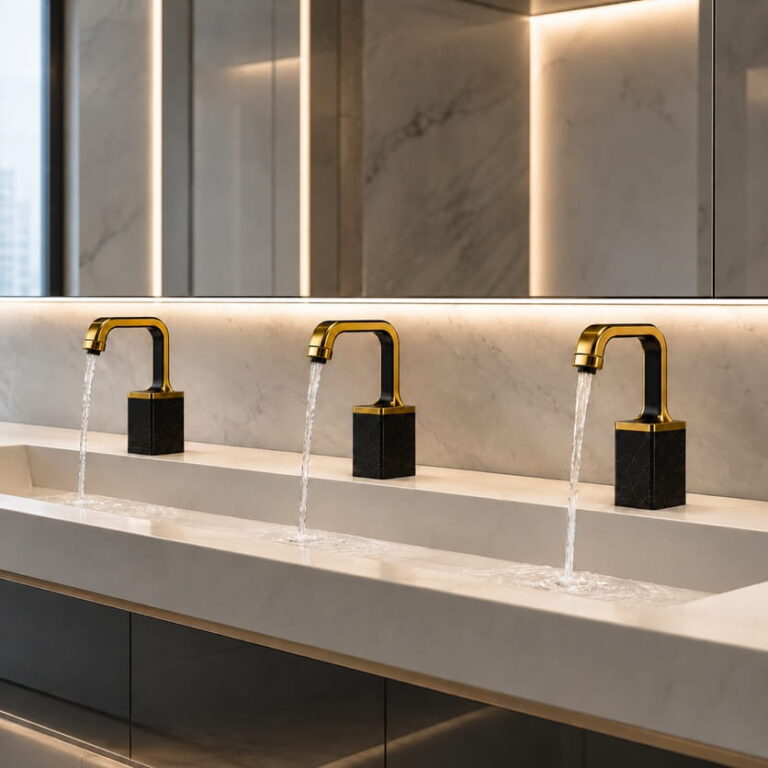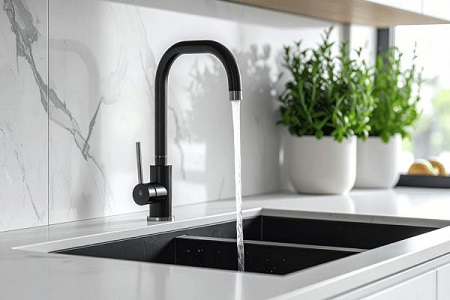

MEP Design Considerations for High-Traffic Touchless Restroom Systems
Engineering guidance for flow rates, pressure, power architecture, sensor performance, durability, service access, commissioning and maintenance in stadiums, arenas, theaters, transportation hubs and other large public facilities.
Touchless fixtures are part of the MEP system, not an isolated finish selection
In a large public restroom, faucet performance is governed by the interaction of plumbing pressure, flow control, sensor geometry, basin dimensions, electrical infrastructure, maintenance access and the operating profile of the building.
Read More
A stadium or theater restroom may be quiet for long periods and then experience a sharp wave of simultaneous demand. That compressed demand is what makes high-traffic restroom engineering different from ordinary office or residential fixture selection. A system that appears adequate when one faucet is tested at a time may behave very differently when an entire restroom bank is active during halftime, intermission, event ingress or post-event egress.
MEP engineers therefore need to treat the wash station as an integrated assembly. The faucet, solenoid, transformer or battery pack, branch piping, isolation valve, strainer, mixing strategy, basin, soap dispenser, drainage path and service access should be coordinated before rough-in is fixed. The engineering objective is not simply to make water appear automatically. It is to deliver predictable activation, controlled flow, acceptable splash performance, safe temperatures, maintainable components and rapid return to service when a device requires attention.

Size the water system for simultaneous use, not single-fixture demonstration
Flow rate is one of the first numbers engineers see on a faucet schedule, but it should not be treated in isolation. Public lavatory requirements vary by code, jurisdiction, sustainability target and fixture application. Many commercial public lavatories are designed around low-flow values such as 0.5 gpm, while other building types or project standards may use different limits. The correct value is the one confirmed against the adopted plumbing code, the authority having jurisdiction, owner standards and the specific listed product.
Read More
For high-traffic restroom banks, the more important engineering exercise is to model how the selected flow rate behaves across many simultaneous activations. The cold- and tempered-water branches must preserve adequate residual pressure at the hydraulically remote fixtures. Pressure loss through backflow devices, strainers, thermostatic mixing valves, isolation valves and long branch runs should be included rather than assuming the static service pressure will exist at the faucet.
Where a large number of touchless faucets are grouped on a concourse level, consider pressure zoning and local isolation. A properly zoned system can help stabilize delivery, reduce troubleshooting time and prevent a localized maintenance issue from forcing closure of a complete restroom. Engineers should also coordinate the minimum and maximum operating pressure published for the selected faucet and solenoid assembly. High pressure can increase splash and noise; low pressure can produce weak rinsing or inconsistent user experience even when the sensor itself is functioning correctly.
Translate the fixture schedule into a system-level plumbing strategy
| Design item | MEP coordination question | Risk if overlooked | Recommended action |
|---|---|---|---|
| Design flow rate | What flow is required by code, owner criteria and the actual selected model? | Noncompliance, poor rinse quality or unnecessary water use. | List the scheduled flow and verify the exact aerator/flow-control configuration in submittals. |
| Residual pressure | What pressure remains at remote fixtures under peak simultaneous demand? | Weak stream, inconsistent operation, long user dwell time. | Calculate pressure losses through branches, valves, strainers and mixing devices. |
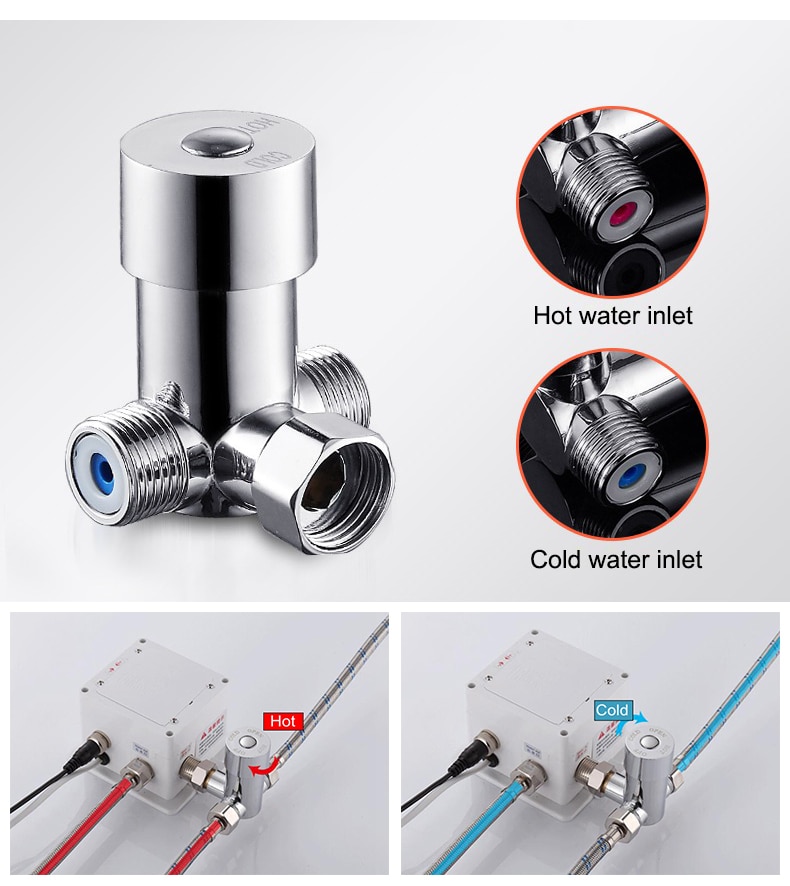
| Tempered water | Is temperature controlled centrally, by zone or locally? | Comfort complaints, scald risk, complex service conditions. | Coordinate mixing-valve location, set point, access and recirculation strategy. |
| Isolation | Can a single fixture or restroom zone be serviced independently? | Large shutdown area for minor repairs. | Provide accessible isolation at logical fixture-bank or branch intervals. |
| Debris protection | Where are strainers located and how are they cleaned? | Restricted flow and solenoid fouling. | Show serviceable strainers and flushing procedures in closeout documentation. |
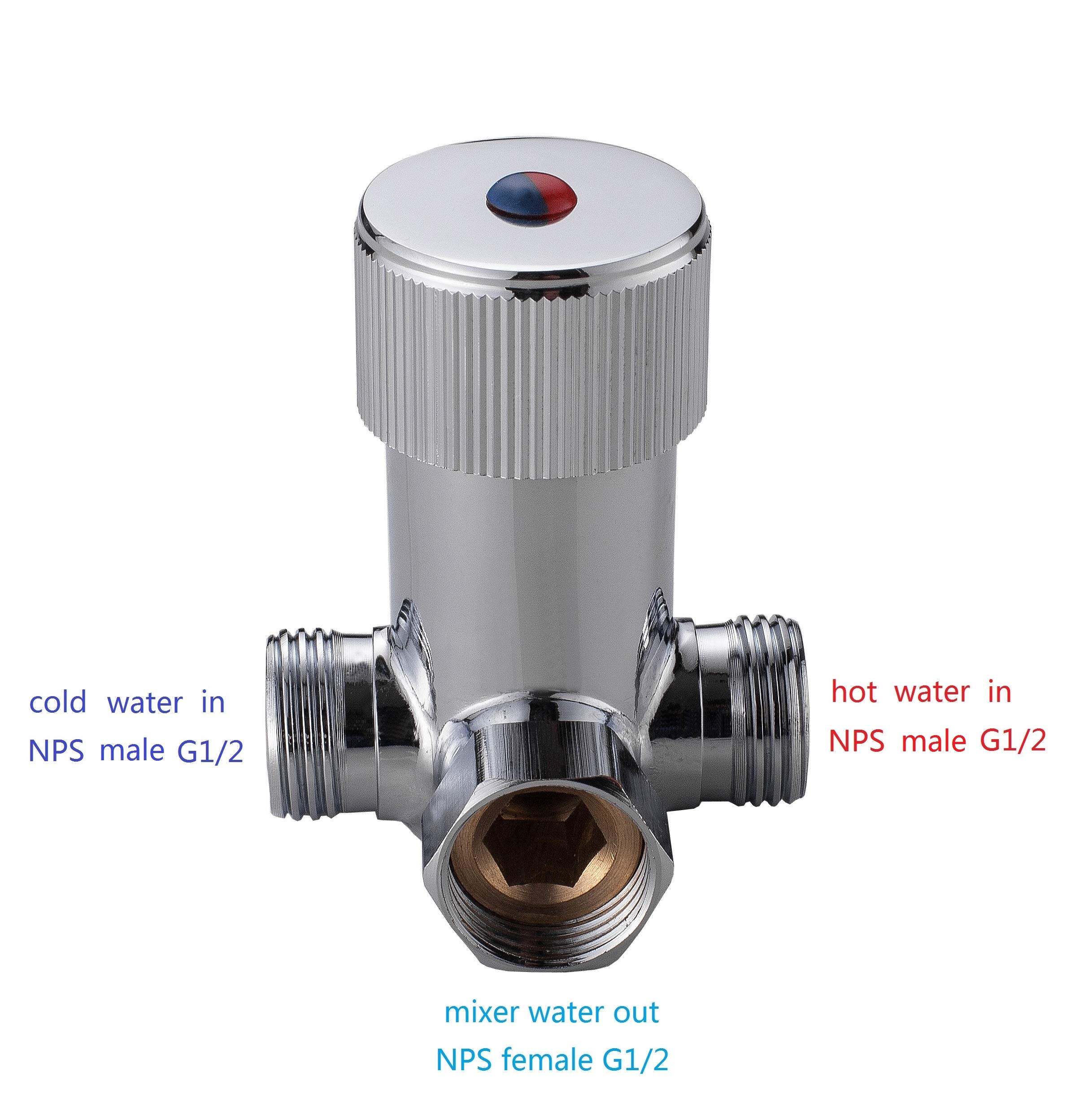

Choose the power architecture before walls, counters and access panels are finalized
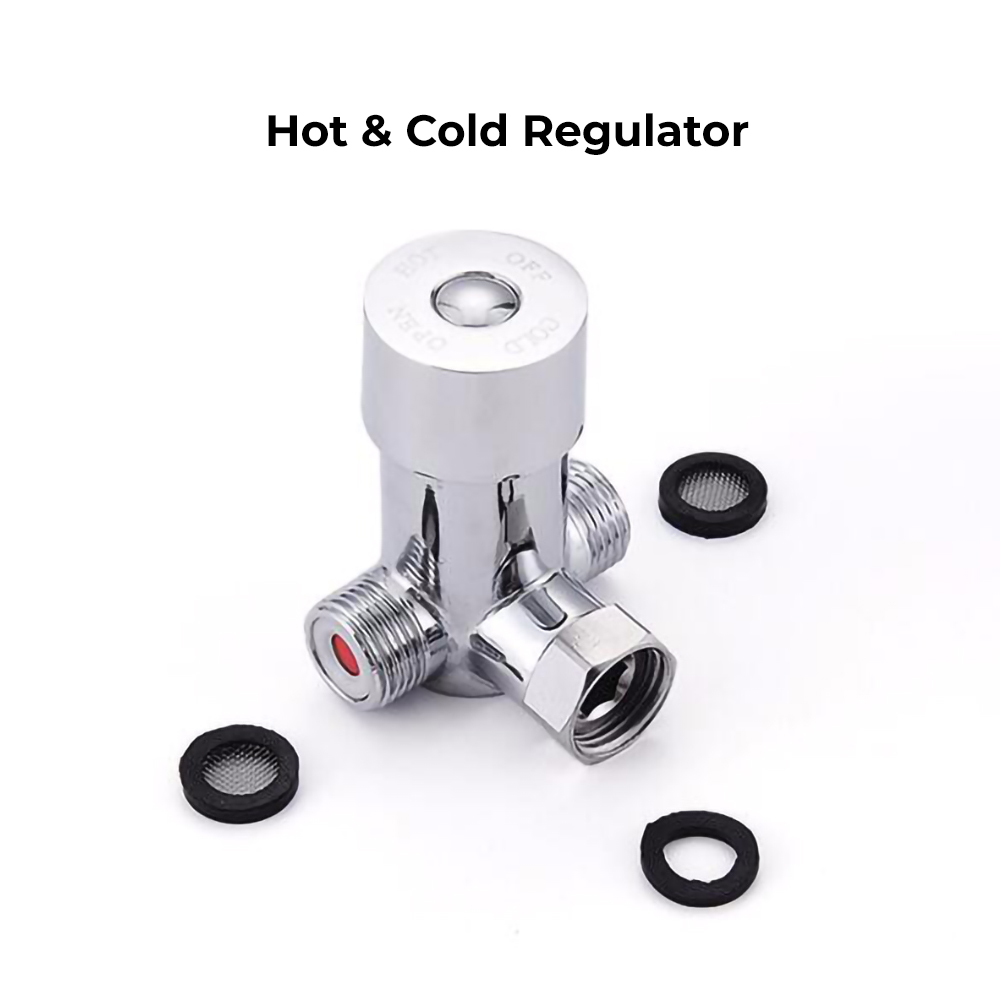
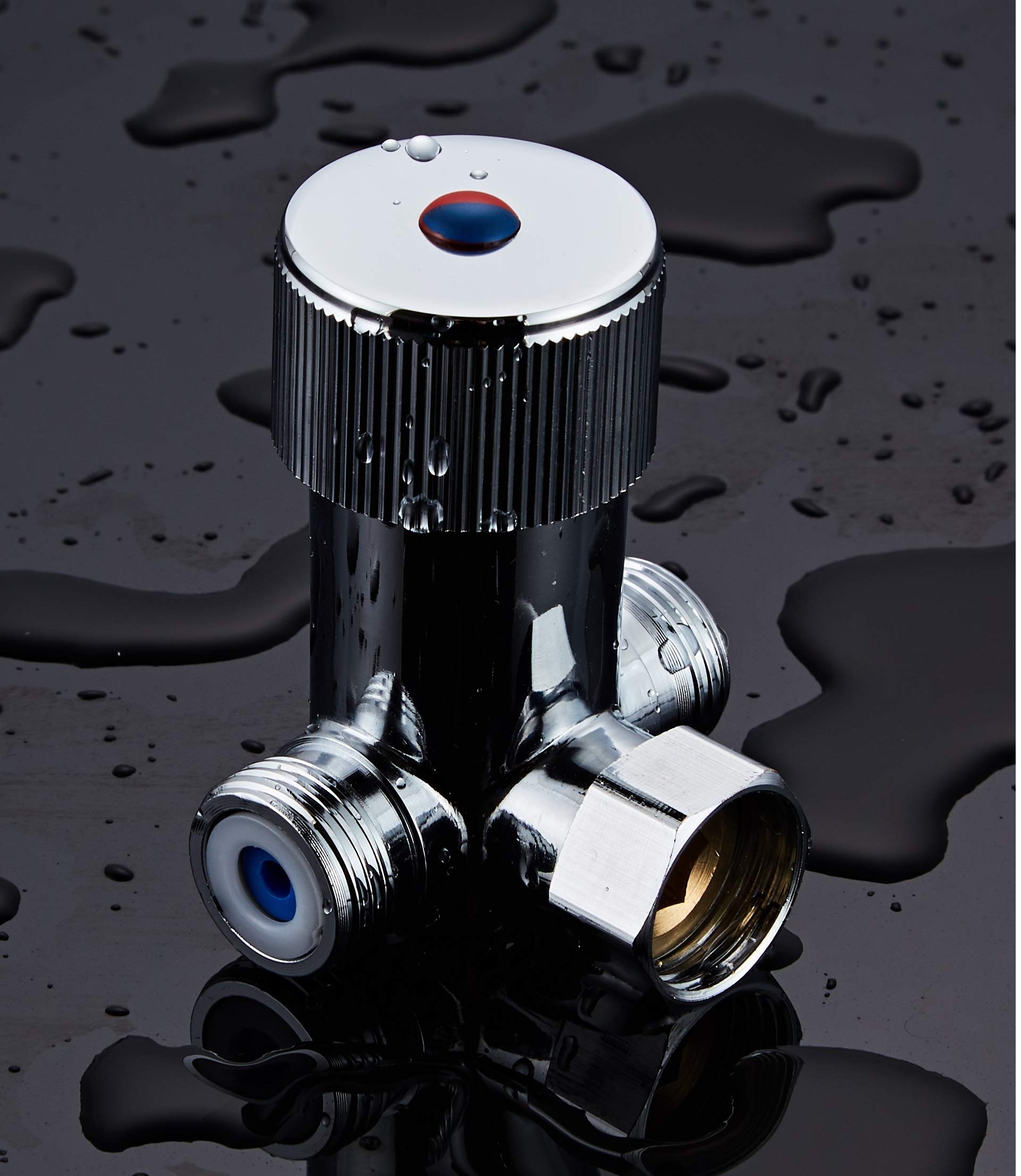
Touchless faucets introduce an electrical-control layer that must be coordinated with the plumbing layout. Depending on the selected product, power may be provided by batteries, low-voltage hardwired transformers, plug-in adapters or a hybrid arrangement. For large facilities, power strategy should be standardized by restroom type wherever practical so that facility teams are not maintaining several unrelated systems.
Read More
Hardwired power is attractive where owners want to reduce routine battery replacement and where electrical pathways can be coordinated early. Engineers should identify transformer locations, circuiting, low-voltage routing, controller access and any limitations on the number of fixtures served by a power supply. Batteries can simplify installation or retrofit work, but the maintenance plan must account for replacement frequency, access and low-battery indicators. A mixed strategy may be appropriate when existing buildings contain different construction conditions.
Regardless of power source, do not bury the transformer, battery pack, control box or solenoid behind inaccessible finishes. Access panels should be sized for actual hand and tool clearance, not merely theoretical code access. Coordination with casework, mirrors and under-counter panels is especially important because the faucet control system often competes for the same limited service volume as traps, supplies, soap reservoirs and accessible knee-clearance zones.
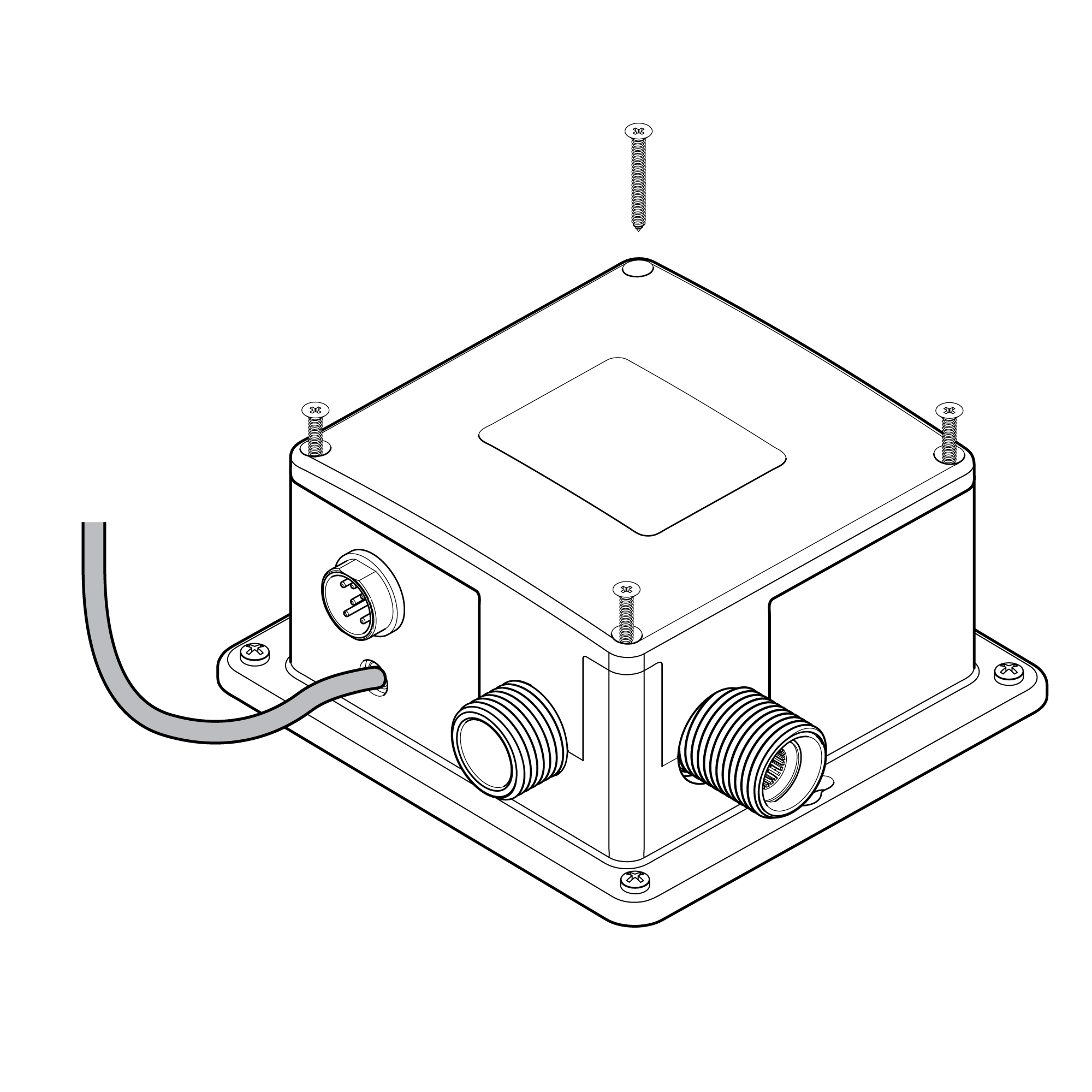
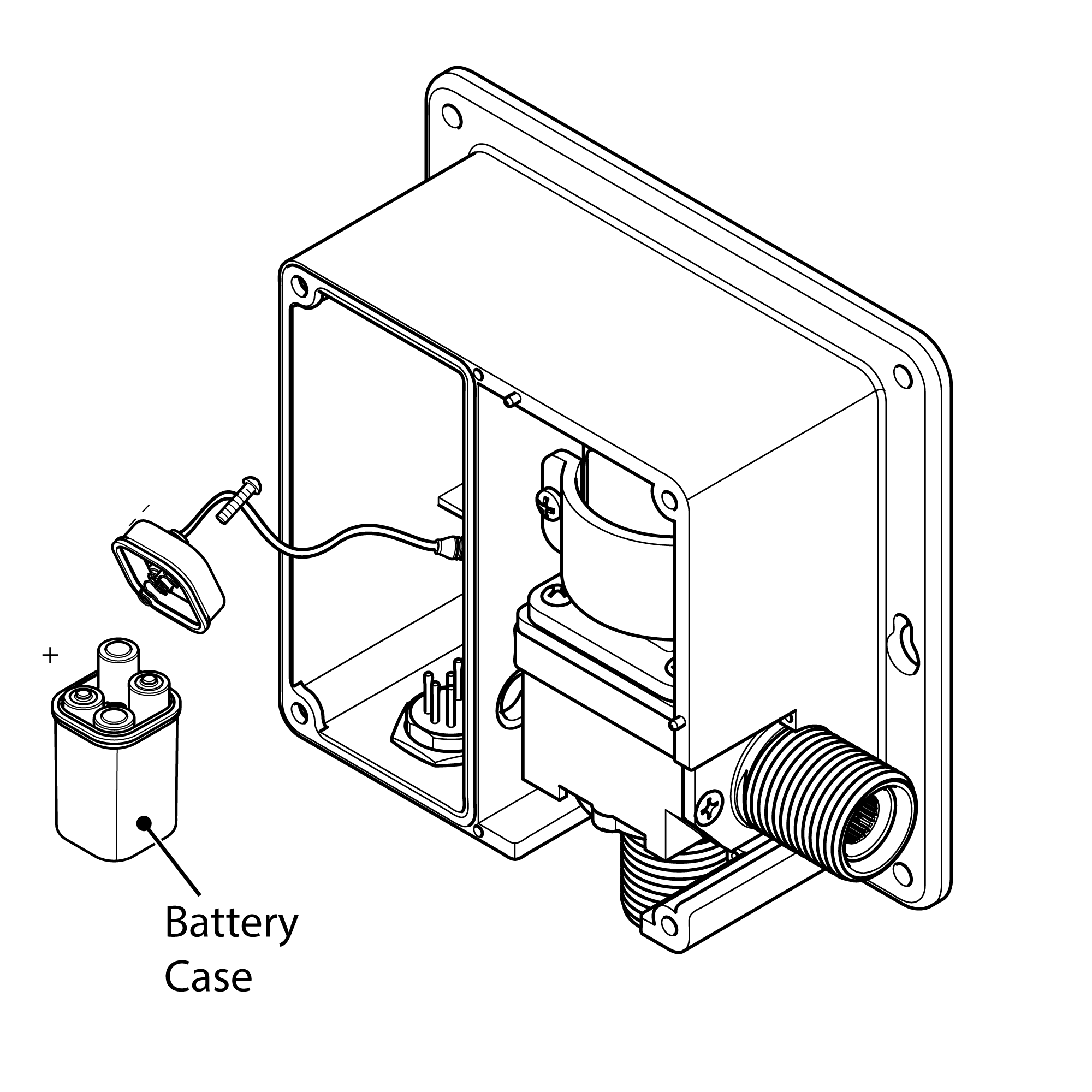
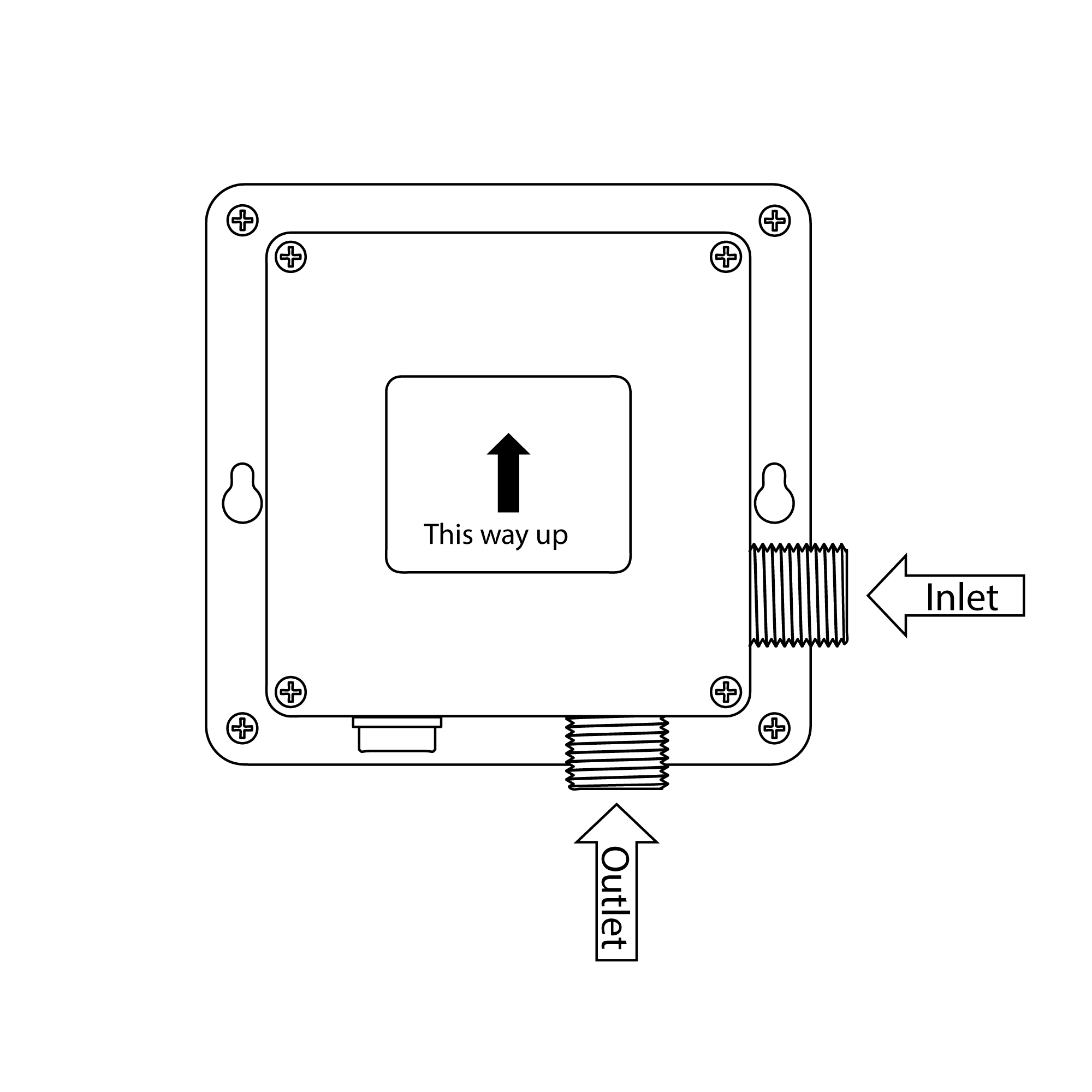

Hardwired
Best coordinated during new construction. Confirm transformer loading, low-voltage pathways, circuit identification and accessible replacement location.
Battery
Useful where electrical work is difficult or retrofit disruption must be minimized. Provide a documented replacement interval and easy battery access.
Hybrid / backup
Where supported by the selected model, a backup strategy can improve resilience. Verify the manufacturer-specific architecture rather than assuming interchangeability.

Sensor accuracy depends on installation geometry, not just electronics
A high-quality sensor can still perform poorly if the faucet is installed over the wrong basin or if the detection zone is affected by reflective surfaces. MEP coordination should therefore include spout reach, stream landing point, basin depth, deck thickness, sensor field and nearby reflective material. When a user has to repeatedly move hands to trigger water, throughput suffers and the fixture is often reported as defective even when the root problem is geometric.
Read More
The water stream should land within the basin at a location that allows natural handwashing without excessive splash against the rear wall, drain, overflow or sloped surfaces. In long trough sinks, fixture spacing also matters: closely spaced sensors may interact with adjacent users if detection zones are poorly aimed or configured. Mockups are particularly valuable for stadium and arena projects because a single approved module may be repeated dozens or hundreds of times.
Commission the sensor with dry hands, wet hands and different approach angles. Test users of different heights, including seated users at accessible lavatories. Confirm shutoff response after hands are removed and verify that the fixture does not false-trigger from reflections, cleaning activity or movement outside the intended wash zone.


Specify for repetitive public use, cleaning chemistry and service abuse
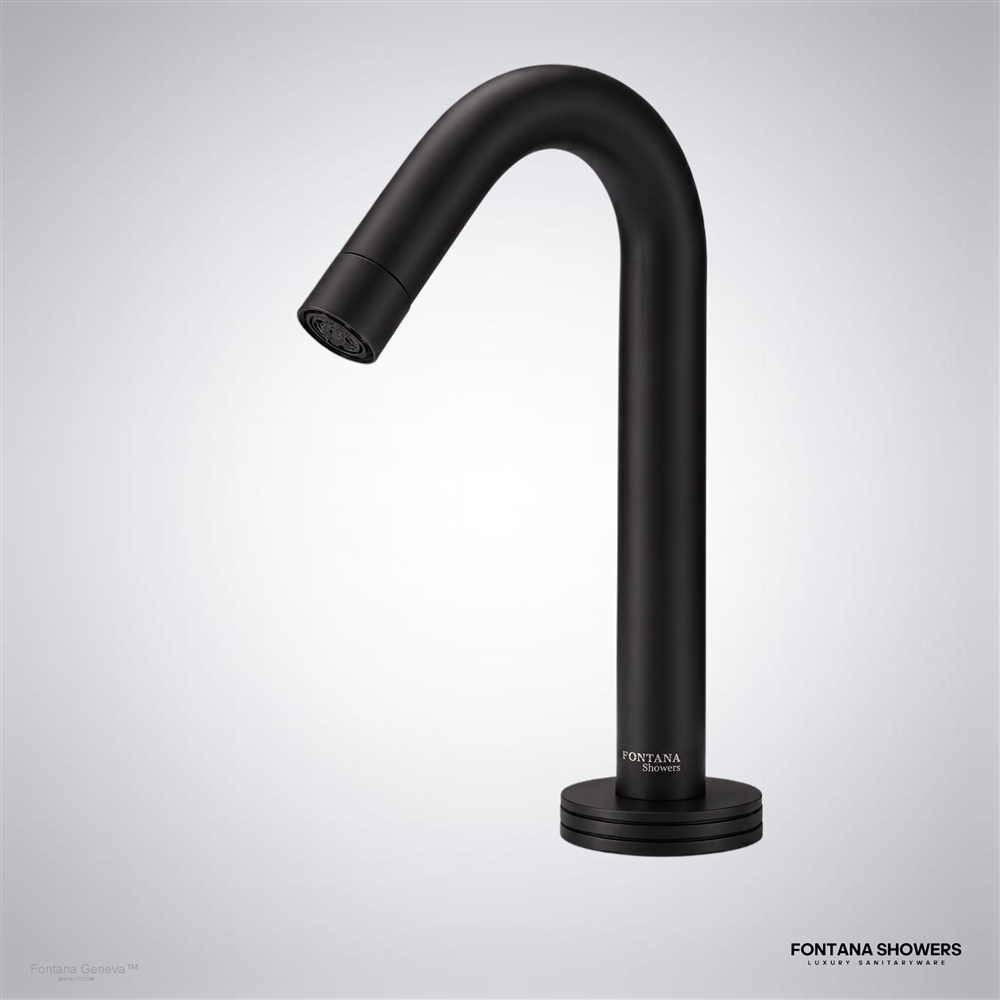
Durability in a high-traffic restroom is broader than the strength of the faucet body. The complete assembly must tolerate repetitive activation, frequent cleaning, moisture, occasional impact, public misuse and the cumulative effects of maintenance. Engineers should verify body material, finish durability, solenoid accessibility, fastening method, hose and cable routing, vandal-resistant features where required, and the availability of replacement components.
Read More
Solid brass construction, robust mounting hardware and commercial-grade internal components are common specification priorities, but project teams should verify each selected model rather than applying a blanket assumption across a product family. For corrosive or highly cleaned environments, finish selection and approved cleaning procedures deserve explicit attention. Harsh chemicals can damage sensors, plated finishes and seals even when the underlying fixture is structurally sound.

Design maintenance access into the restroom bank from the beginning
Operational reliability is strongly influenced by what happens after the building opens. A sensor faucet may have few user-operated mechanical parts, but it still contains components that require inspection and service: aerators, strainers, solenoids, check valves, batteries or transformers, controllers, hoses and mixing devices. If those parts are inaccessible, routine maintenance becomes disruptive and expensive.
Read More
Large public facilities benefit from standardization. Repeating the same operating logic and a limited number of faucet families across concourses can reduce technician training time and spare-part complexity. The owner should receive a component schedule identifying model numbers, power supplies, replacement parts, sensor settings and maintenance procedures. For event venues, keeping a small quantity of complete replacement modules can also shorten restoration time when a station must be returned to service quickly.
Access should be organized so that a technician can isolate one fixture, remove the strainer, replace a solenoid or power component and restore operation without opening finished walls or shutting down an entire restroom. Where components are below counters, ensure that accessibility knee-clearance requirements are not compromised by control boxes, piping or soap reservoirs.


Coordinate plumbing performance with accessibility and product compliance
Touchless operation can support accessible restroom design because users do not need to grasp or twist a handle, but a sensor faucet is not automatically accessible simply because it is hands-free. The lavatory, counter height, clear floor approach, knee and toe clearance, reach to soap and drying equipment, exposed-pipe protection and sensor activation zone all require coordinated review. Project teams should verify the adopted accessibility standard, plumbing code and authority-having-jurisdiction requirements for the specific site.
Read More
For product compliance, engineers commonly review standards applicable to plumbing fittings, potable-water contact, lead content and electrical components. Depending on the fixture and jurisdiction, documentation may include ASME A112.18.1/CSA B125.1 and applicable NSF/ANSI/CAN potable-water requirements. Do not assume every finish, flow control or configuration carries identical certifications; verify the exact submitted model.
Water-efficiency targets should also be documented carefully. Avoid describing a product as contributing to a certification unless the actual project program and product documentation support that statement. The strongest engineering specification is measurable: scheduled flow, automatic shutoff behavior, pressure range, power type, service access, and verified listing information.
Commission the restroom under realistic operating conditions
Flush and inspect
Flush branches before connecting sensitive components. Clean strainers and verify there is no construction debris restricting flow.
Verify pressure
Measure operating pressure at representative and remote fixtures while multiple stations are active.
Test activation
Confirm detection range, response time, shutoff, false-trigger resistance and accessible-user activation.
Observe stream
Check landing point, splash, drain interaction and user hand position at the actual scheduled flow.
Check power
Label transformers, circuits or battery compartments and confirm the owner can reach them without destructive access.
Turn over data
Provide model-specific manuals, spare-parts lists, sensor settings, flow data and maintenance instructions to facilities staff.
Large-venue applications that frame the engineering discussion
These Fontana project pages illustrate why touchless fixture planning must address crowd surges, public hygiene, durability and maintenance. They should be read as project references rather than substitutes for model-specific engineering submittals.

New Las Vegas MLB Stadium
The Fontana project page frames restroom selection around a 33,000-seat, climate-controlled ballpark and emphasizes durability, hygiene, speed of use and lifecycle efficiency for concentrated public demand.

UNL Memorial Stadium
The Memorial Stadium reference focuses on high-volume game-day restroom demand, hands-free use, chrome commercial fixtures and facility modernization in a major university sports venue.
Wolf Trap, Virginia
The Virginia architectural-faucet reference describes a performing-arts environment where high-cycle durability, rapid user throughput and low maintenance intervention are core operating priorities.
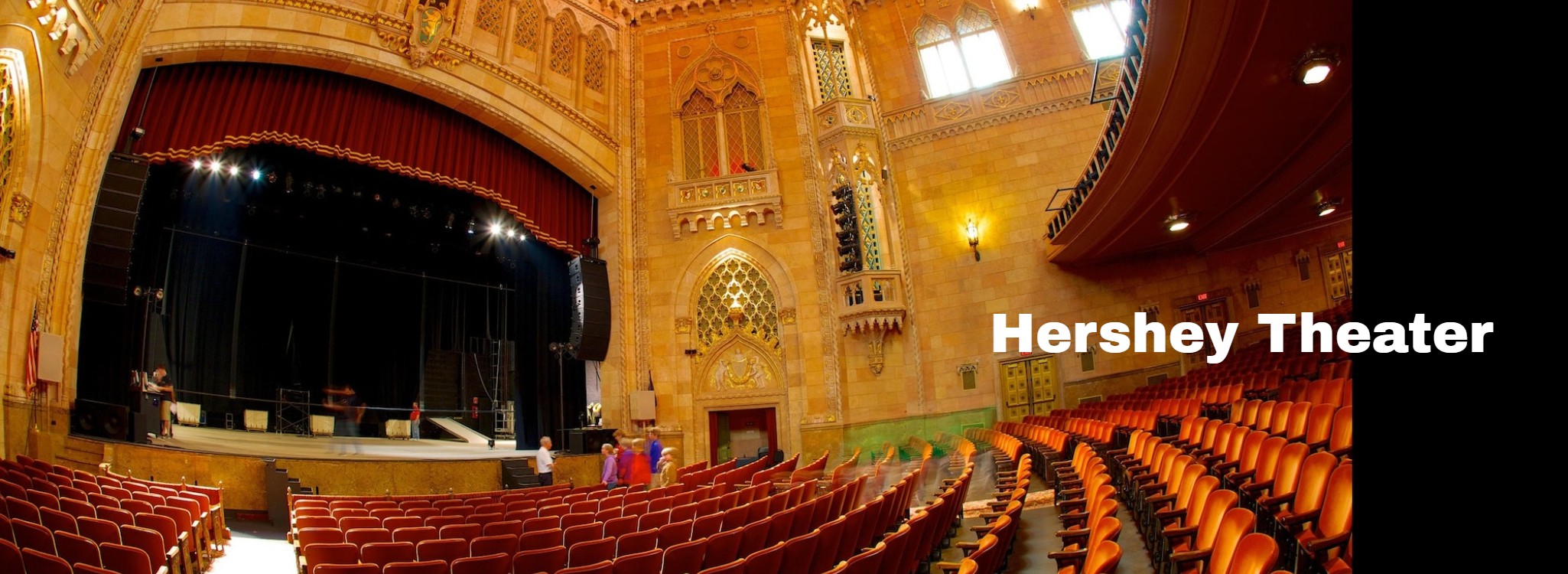
Hershey Theatre, Pennsylvania
The Hershey Theatre page connects touchless faucet operation with sustained use during high-attendance performances and highlights maintenance planning, including centralized soap-distribution strategy.
Stadium, arena and high-traffic restroom planning references
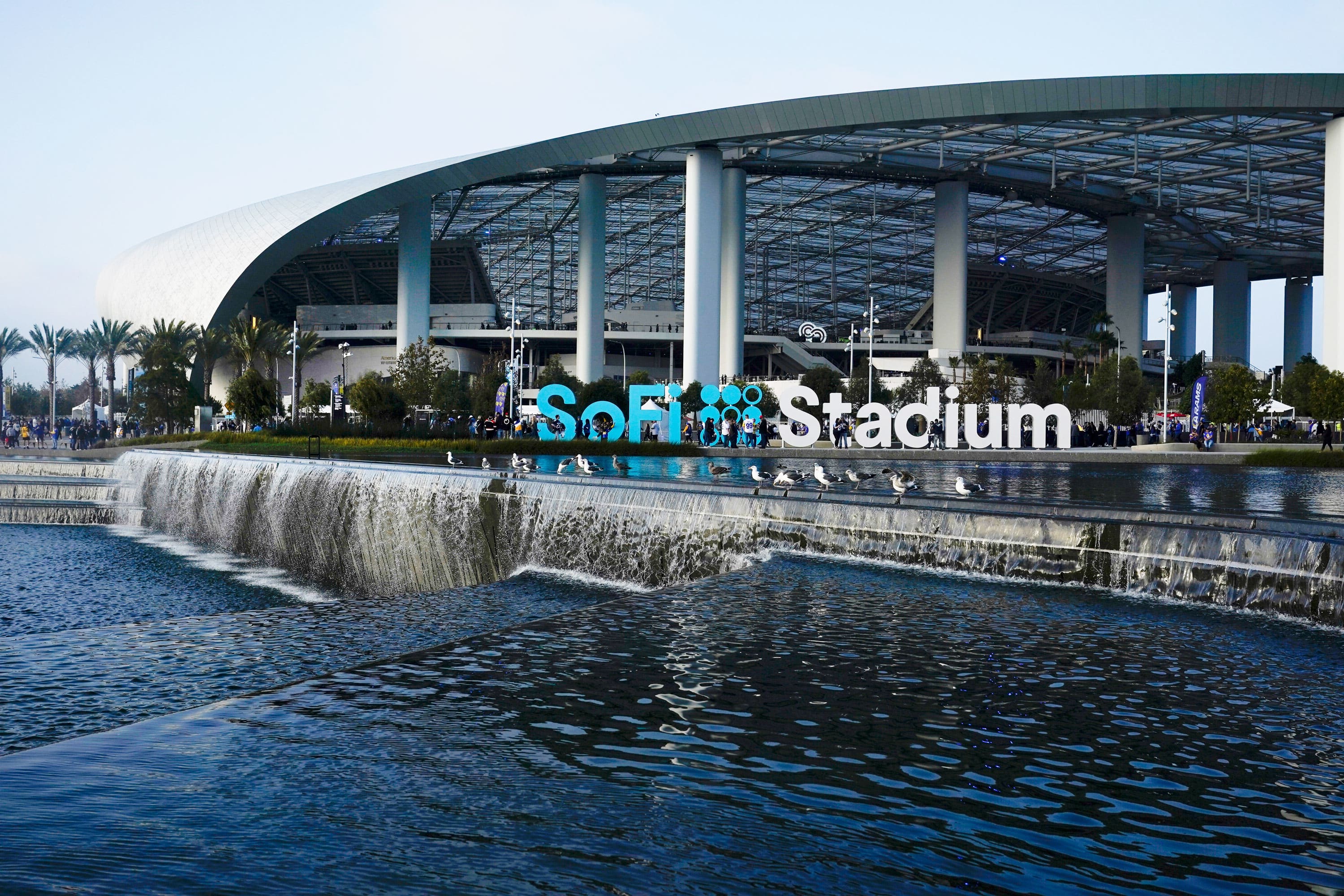
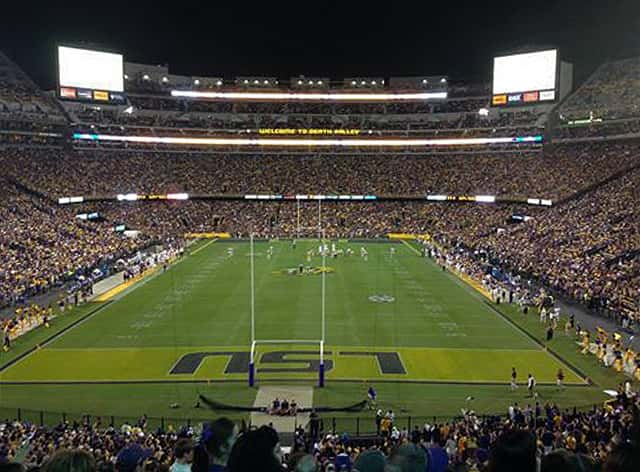
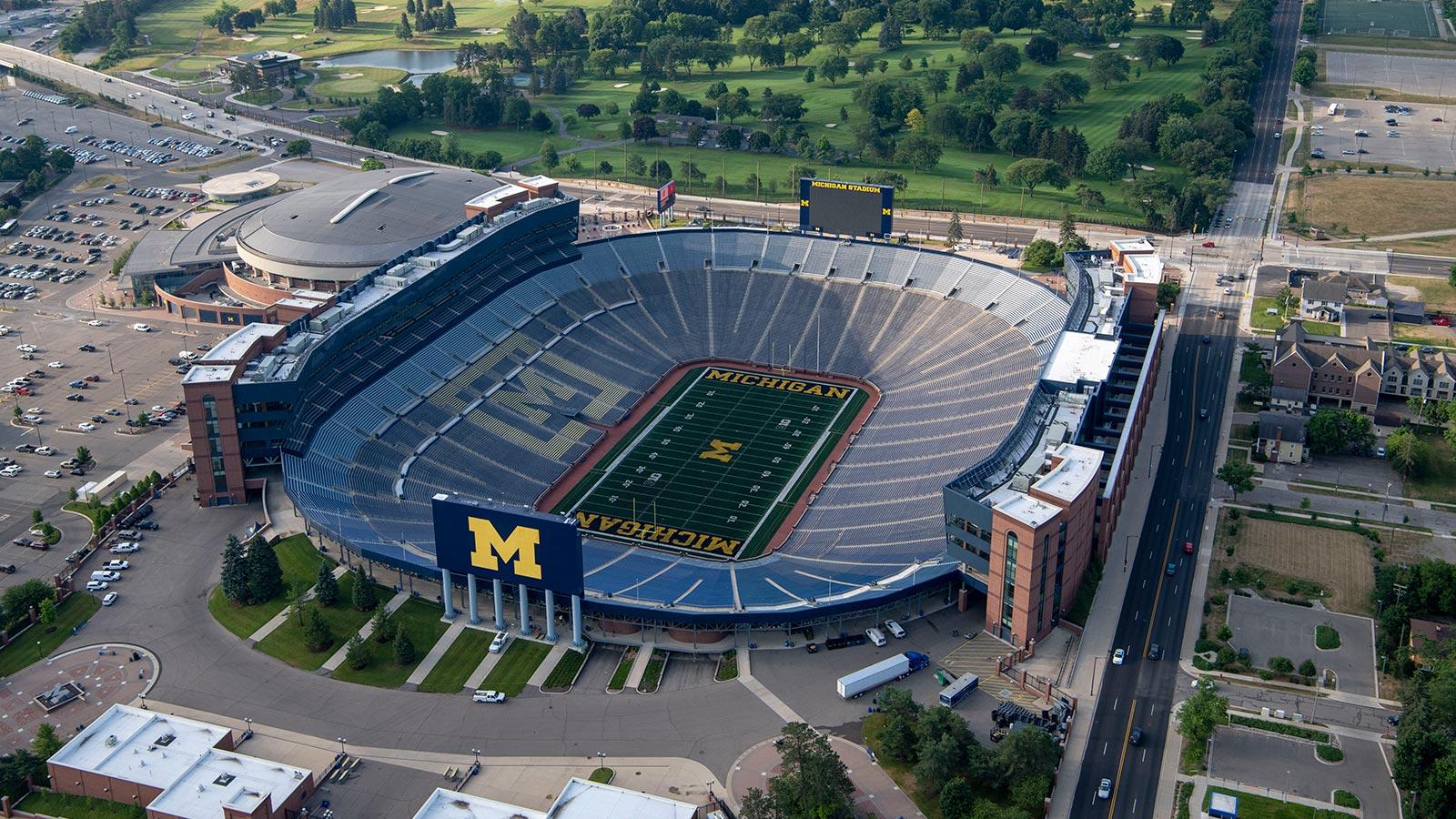
This visual set connects large-venue scale with the touchless restroom systems discussed in this engineering guide. Each image remains linked to its corresponding reference page through the image or caption title.







Recommended sequence for design development through turnover
1. Define the restroom performance brief
Document venue occupancy pattern, expected peak-use windows, public versus premium areas, hygiene objectives, design flow targets, owner maintenance preferences and whether fixture standardization is required across the facility.
2. Select a fixture architecture early
Decide deck-mounted versus wall-mounted, single-function faucet versus integrated wash system, power strategy, finish family and service-access concept before countertops, walls and electrical pathways are finalized.
3. Coordinate plumbing and electrical rough-ins
Show branch piping, mixing, isolation, straining, controller location, transformers, batteries, cable paths and access panels. Resolve conflicts with traps, knee clearance, millwork and soap reservoirs.
4. Review submittals at model level
Verify exact flow rate, pressure range, power type, certifications, dimensions, sensor data, connection size and service requirements. Do not approve a family name when the project depends on a specific model configuration.
5. Mock up and commission
Test the actual basin, faucet, sensor and soap arrangement. Confirm stream landing, splash, activation, shutoff timing, pressure stability, power access and service clearances before repetition across the project.
6. Turn over an operations package
Provide manuals, spare-parts schedules, sensor settings, power diagrams, isolation maps, cleaning guidance and replacement procedures. Train facilities staff on normal diagnostics before the first major event.

Nadia Ellison is a staff writer and editorial team member at autotouchlessfaucets.com. Her work focuses on sensor faucet technology, activation methods, power options, and commercial applications, helping transform manufacturer documentation, product specifications, published standards, and industry sources into practical guidance for specifiers and facility professionals.