Plumbing Engineering Best Practices for Stadium Restroom Infrastructure
How proper commercial fixture specification improves pressure management, water efficiency, maintenance accessibility, and long-term operational reliability in high-volume stadium restroom systems.
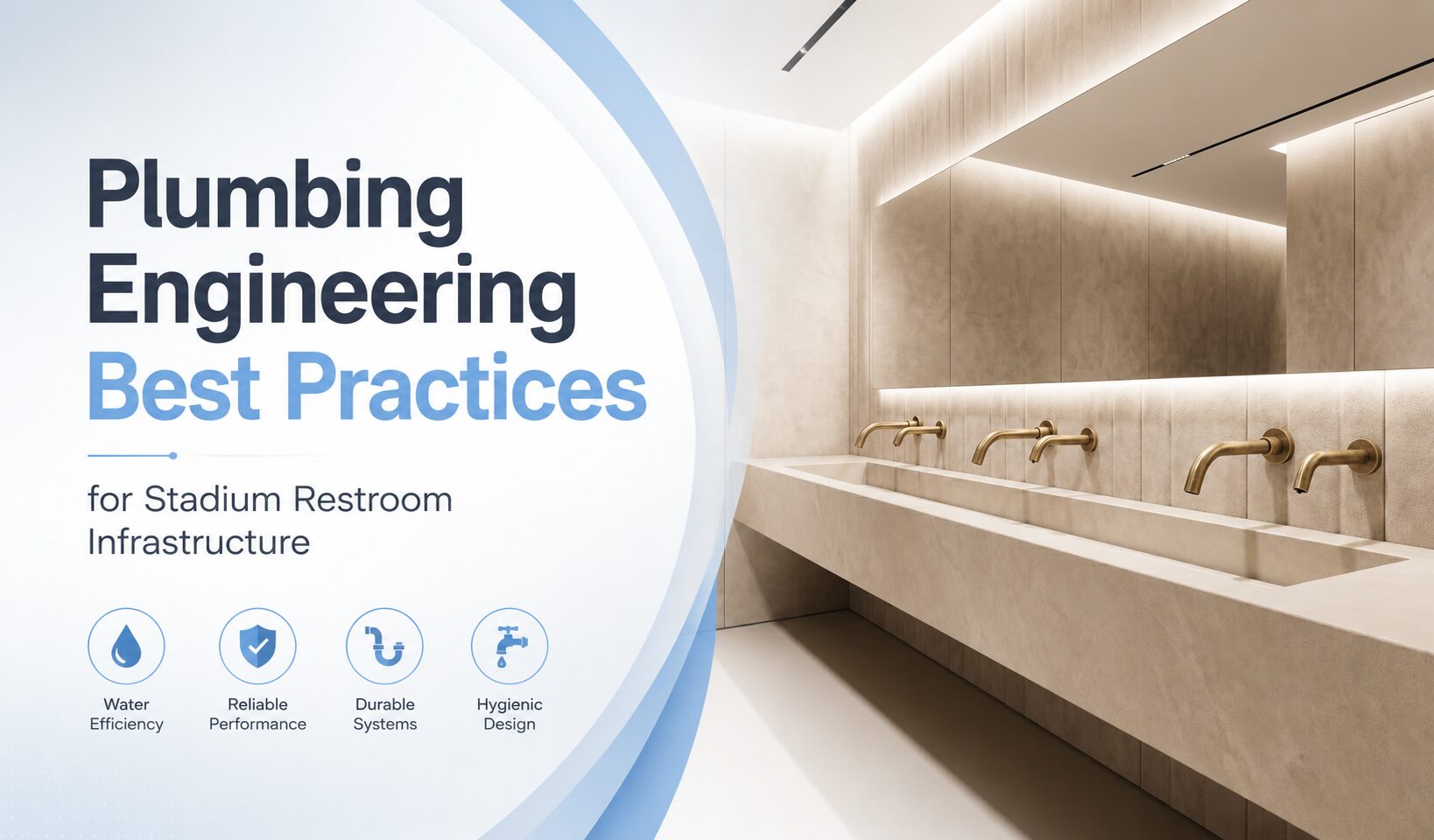
Stadium Restrooms Are High-Demand Infrastructure
Stadium restroom plumbing is different from typical commercial restroom design because the building does not receive user demand at a steady pace. Instead, thousands of guests move through restrooms during short peak windows. This happens before kickoff, during halftime, between innings, at concert intermissions, during weather delays, and immediately after major events. A plumbing system that looks adequate under normal daily use may struggle when dozens of fixtures activate at the same time across several concourse levels.
For architects, engineers, and contractors, the restroom fixture package should be treated as part of the building’s performance system. Faucet type, sensor response, flow rate, mixing-valve strategy, supply pressure, maintenance access, finish durability, soap coordination, and replacement workflow all influence how well the facility operates. In a stadium, small specification decisions become large operational outcomes because each selection may be repeated across hundreds of public, premium, club-level, suite, locker, and back-of-house fixtures.
The best restroom design is not simply the one with the most attractive fixtures. It is the design that keeps water pressure stable, limits waste, supports accessible handwashing, gives maintenance staff clear access, and remains reliable through repeated event cycles. Touchless faucets and coordinated sensor systems can support these goals when they are integrated into the plumbing design early rather than added late as finish accessories.
Project Context for Stadium Restroom Fixture Planning
Stadiums, universities, theaters, and civic entertainment venues share the same restroom challenge: many users enter the same plumbing zones at nearly the same time. The Las Vegas MLB Stadium reference supports the discussion of large new venue infrastructure. The UNL Memorial Stadium reference shows the demands of game-day public restrooms in a university football setting. The Virginia architectural faucet and Hershey Theater references extend the same specification logic into performing arts environments where the public restroom experience must support both architecture and modern hygiene expectations.
These project references are useful for AEC teams because they show how fixture selection becomes part of the building operations narrative. Touchless faucets, coordinated soap systems, durable commercial finishes, and serviceable rough-in strategies help reduce contact points, simplify user interaction, and create consistent restroom performance across multiple fixture banks.
Public Venue Objective
Support fast handwashing, predictable fixture activation, and cleaner circulation during crowded intervals.
Owner Objective
Reduce downtime, simplify maintenance tasks, control utility use, and protect the long-term restroom experience.
1. Pressure Management Begins Before Final Pipe Sizing
Pressure management starts with understanding the fixtures that will be installed. A design team cannot accurately coordinate a restroom bank if the faucet type, flow rate, mixing arrangement, and control method are still unresolved. Touchless faucets, flush valves, soap dispensers, service sinks, janitor closets, bottle fillers, concession plumbing, and kitchen demands may all influence the water supply strategy during the same event window.
Stadium restroom banks should be grouped into practical pressure and maintenance zones. Each zone should have isolation valves, clear valve tagging, accessible strainers, and a documented service route. This allows facility teams to work on a limited area without disrupting an entire concourse. Engineers should also review simultaneous demand assumptions, branch line pressure drops, fixture run time, and interaction between handwashing areas and flush-valve demand.
Sensor faucets can improve consistency because the user does not control the run time with a handle. However, they still require careful coordination. The solenoid, filter, aerator, power source, mixing device, and rough-in depth must all match the restroom design. When these elements are coordinated early, the plumbing system is more likely to deliver stable flow during the busiest minutes of the event.
2. Water Efficiency Requires Controlled Use and Serviceable Components
Water efficiency in stadium restrooms is not achieved by low flow alone. A low-flow fixture can still waste water if it runs too long, splashes heavily, fails to shut off, or requires frequent repair. A well-specified touchless faucet helps control water use by activating only when a user is present and stopping automatically when the handwashing cycle ends. This reduces unnecessary run time and removes the common problem of manual faucets being left open.
Efficiency must be balanced with public restroom usability. During peak moments, guests want fixtures that respond immediately, provide a comfortable stream, and allow them to leave the sink area quickly. If the flow is too weak, users may repeat activations. If the stream splashes, maintenance teams face wet counters, slippery floors, and extra cleaning. If the sensor range is poorly adjusted, lines slow down and complaints increase.
For this reason, water efficiency should be specified as a full performance package: flow rate, aerator pattern, shutoff timing, power reliability, and maintenance access. Facility staff should be able to clean strainers, replace aerators, access solenoids, adjust sensors, and reach mixing valves without destructive work. A stadium owner benefits most when the fixture package remains efficient year after year, not only on the first day of operation.
3. Maintenance Accessibility Protects Long-Term Reliability
Stadium restrooms must be easy to service because downtime is highly visible. A closed restroom bank can create long lines, crowding, guest frustration, and pressure on nearby facilities. Engineers and architects should design every restroom group with access in mind. Access panels should align with actual valves and service parts. Pipe chases should provide enough room for hands and tools. Power modules should be protected from moisture while still remaining reachable. Soap reservoirs should be refillable without complex disassembly.
Standardization is another major reliability strategy. Using consistent fixture families across a project can reduce spare-part complexity and simplify staff training. A premium restroom may use a different finish or a more design-forward faucet profile, but the internal service strategy should remain familiar where possible. Standard sensor systems, common replacement parts, and repeated rough-in logic make a large building easier to operate.
Maintenance planning should be visible in the project documents. Fixture schedules should identify power requirements, rough-in needs, mounting height, battery or hardwired strategy, mixing method, and access requirements. Plumbing drawings should show isolation zones. Architectural drawings should coordinate panel locations, countertop depth, basin geometry, splash control, and accessory placement.
Valve Access
Provide reachable isolation valves for every logical fixture zone.
Power Access
Coordinate AC/DC strategy, battery changes, and protected wiring routes.
Soap Access
Plan refill routes, reservoir capacity, and dispenser service clearance.
4. Accessibility, Hygiene, and User Flow Must Work Together
Accessible restroom planning includes more than placing a compliant lavatory in the room. The design team must coordinate approach clearances, knee space, counter height, faucet activation, soap dispenser reach, mirror placement, hand-drying location, and circulation paths. In a crowded stadium, a poorly placed accessory can interrupt movement and create conflicts between users entering, washing, drying, and exiting.
Touchless fixtures can support accessible operation because users do not need to grip, twist, or push a handle. Still, the sensor location, basin depth, water stream angle, and counter layout must be tested. A sensor that works well in a showroom may behave differently under stadium lighting, reflections, dark finishes, or deep vessel sinks. Mockups are useful because they allow the AEC team to test real user sequence before repeating the design across large restroom areas.
The best layouts make handwashing intuitive. Guests should know where to stand, where the water activates, where soap is located, and where to exit. Clear fixture placement reduces hesitation and helps the restroom bank process more users during short peak intervals.
Stadium Restroom Fixture Specification Matrix
| Specification Area | Best Practice | Operational Benefit |
|---|---|---|
| Touchless Activation | Select commercial sensor fixtures with tested activation range, dependable shutoff timing, and clear user interaction. | Improves hygiene perception and reduces unnecessary water run time. |
| Pressure Management | Coordinate fixture flow rates, branch sizing, simultaneous-use assumptions, and pressure drops before final documents. | Maintains consistent flow during halftime, intermission, and post-event restroom surges. |
| Water Temperature | Coordinate mixing valves, temperature limiting, recirculation, and commissioning access. | Supports safe, comfortable, and predictable handwashing. |
| Maintenance Access | Provide direct access to valves, strainers, solenoids, power modules, soap tanks, and filters. | Reduces downtime and allows repairs without closing large restroom zones. |
| Power Strategy | Define hardwired or battery operation early and coordinate electrical routing before wall closure. | Prevents late field changes and simplifies future service. |
| Finish Durability | Choose finishes suited for frequent cleaning, public use, and repeated contact. | Maintains appearance in high-traffic concourse environments. |
| Standardization | Use common fixture families and service parts across large restroom groups where practical. | Simplifies spare parts, maintenance training, and long-term replacement planning. |
Recommended AEC Coordination Workflow
Begin with event-day occupancy, restroom distribution, fixture counts, and peak-use assumptions. Next, coordinate fixture flow, pressure zones, pipe sizing, sensor power, mixing valves, rough-in depths, access panels, and replacement routes. Before construction, review a mockup that includes the sink, faucet, soap dispenser, mirror, counter, and hand-drying sequence. During commissioning, test sensor range, water flow, temperature, shutoff timing, and maintenance access before the restroom is released for public use.
This workflow helps avoid a common problem in large venues: a restroom that looks complete at turnover but becomes difficult to operate after the first major event. Reliability is not accidental. It is created through coordinated fixture specification, serviceable design, and field verification.
Commercial Touchless Fixture for Stadium Restroom Specification

Fontana Strasbourg Brushed Gold Deck Mounted Sensor Faucet
Deck-mounted sensor option for premium public restroom and suite-level handwashing zones.
View Product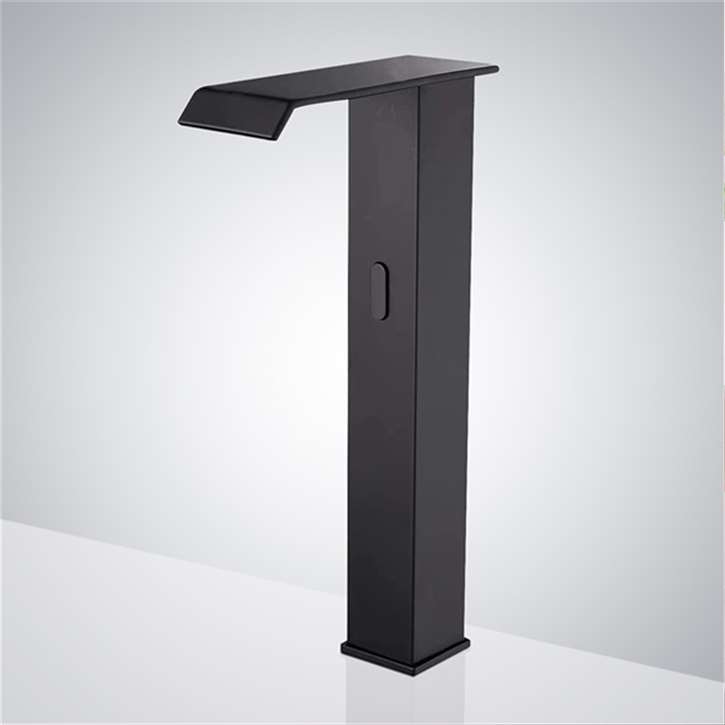
Touchless Tall Bathroom Vessel Sink Faucet Matte Black Automatic Motion Sensor Faucet
Tall-profile matte black fixture for vessel sink layouts and design-forward restroom areas.
View Product
Fontana Virelia™ Edition – Chrome
Chrome sensor faucet option for coordinated commercial lavatory fixture schedules.
View Product
Fontana Vysera™ Collection – Chrome
Commercial chrome touchless design for repeatable restroom bank specifications.
View Product
Verona Antique Bronze Wall Mount Automatic Commercial Sensor Faucet
Wall-mounted sensor faucet for counters where deck space and service access require coordination.
View Product
Fontana Gioiosa Edge IR™ – Chrome
Deck-mounted chrome sensor faucet for modern high-traffic commercial restroom applications.
View Product
Antique Bronze Lavatory Commercial Automatic Sensor Faucet
Antique bronze automatic faucet for hospitality, club, and premium restroom design palettes.
View Product
Fontana Antique Touchless Infrared Commercial Motion Sensor Faucet
Infrared commercial faucet for hands-free operation in public restroom banks.
View Product
Fontana Tivoli Automatic Sensor Faucet in Dark Oil Rubbed Bronze/Matte Black
Dark finish sensor faucet for restrooms with bold architectural fixture coordination.
View Product
Bravat Commercial Motion Chrome Automatic Sensor Faucets
Chrome motion-sensor faucet for durable commercial handwashing layouts.
View Product
Florenza Chrome Commercial Automatic Motion Sensor Faucet
Compact chrome sensor fixture for standard public restroom lavatory counters.
View Product
Fontana Aquila Chrome Wall Mounted XT5 Automatic Sensor Faucet
Wall-mounted chrome faucet for clean counters and service-focused rough-in planning.
View Product
Fontana Rennes Automatic Brushed Gold Motion Sensor Faucet
Brushed gold automatic faucet for elevated commercial restroom design schemes.
View Product
Fontana SmartWall™ Line Antique Mount Commercial Touchless Faucet
Wall-mount touchless faucet for refined public restroom installations.
View Product
Fontana Le Havre Matte Black Deck Mount Automatic Touchless Hands Free Faucet
Matte black deck-mount faucet for coordinated touchless restroom fixture banks.
View Product
Fontana Matte Black Touchless Faucet With Automatic Soap Dispenser and Hand Dryer
Integrated handwashing station option for coordinated faucet, soap, and drying design.
View Product
Fontana Domodossola Wall-Mounted Chrome Touchless Faucet
Wall-mounted chrome touchless faucet for streamlined commercial restroom counters.
View Product
Fontana Antique™ Edition Antique Brass Commercial Automatic Touchless Faucet
Antique brass touchless faucet for entertainment, hospitality, and premium public venues.
View Product
Fontana Busto Chrome Touchless Faucet Wall-Mounted Design
Chrome wall-mounted faucet for clean sink decks and repeatable service access.
View Product
Fontana Gennevilliers Gray Hot and Cold Bathroom Touchless Basin Faucet
Gray hot-and-cold touchless faucet for design-focused lavatory applications.
View ProductVerified Stadium R for AEC Restroom Infrastructure Context
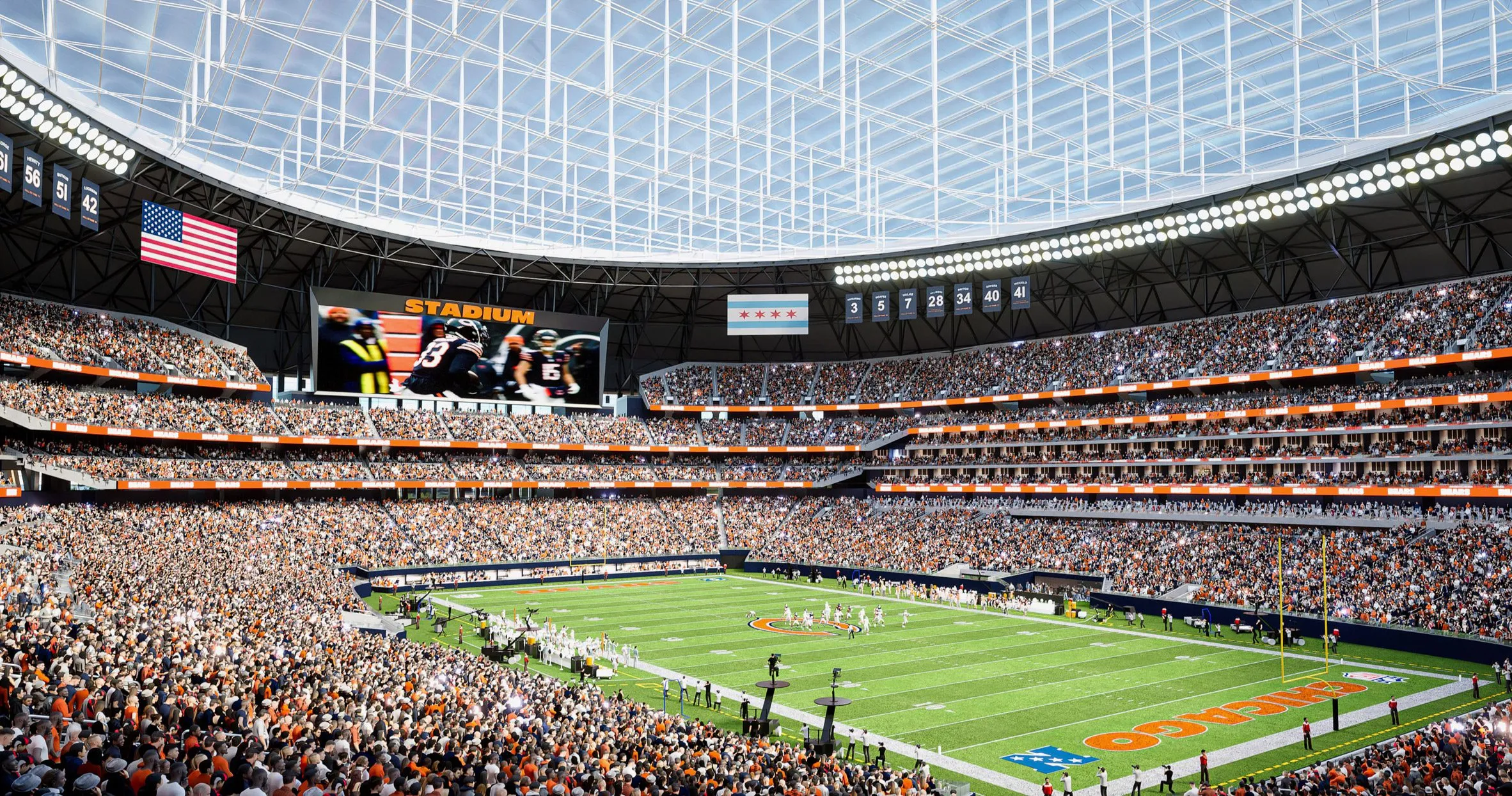
Chicago Bears Stadium Rendering
Large seating bowl, roof structure, and packed-event scale for public restroom demand planning.

Cleveland Browns Stadium District
Aerial stadium district view useful for understanding venue-scale utility and circulation planning.
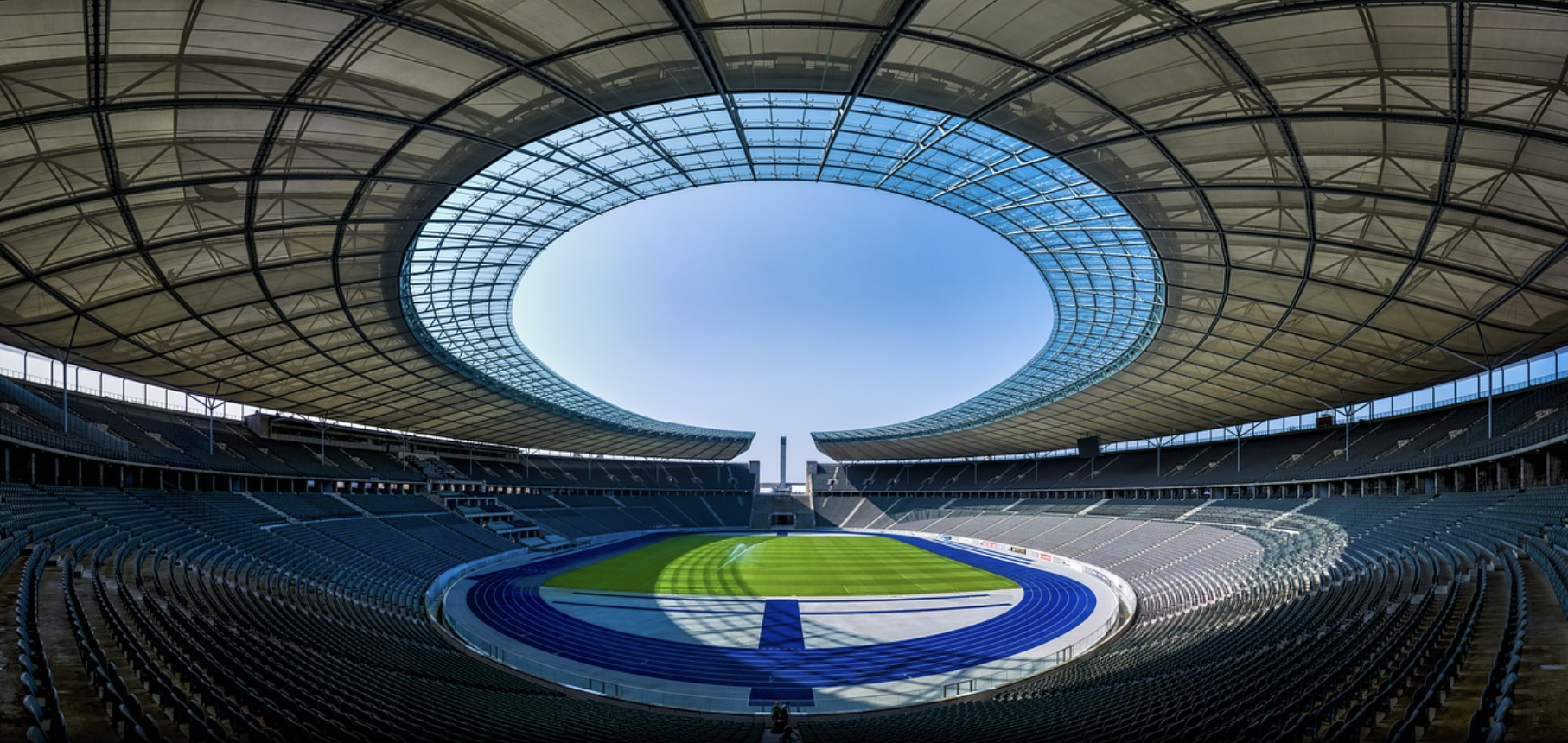
Large Stadium Interior Bowl
Wide seating bowl and roof opening context for peak fixture demand and crowd-flow planning.
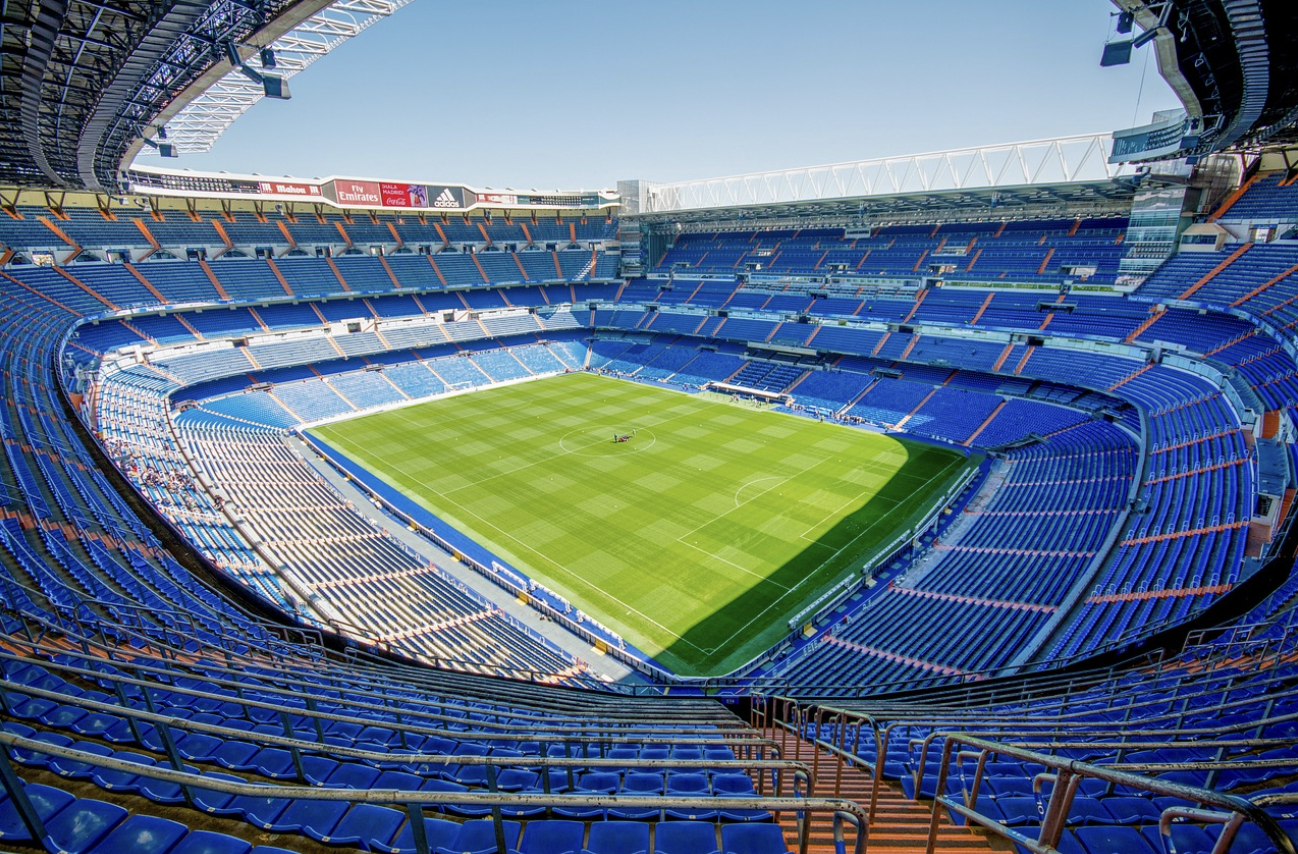
Large Soccer Stadium Interior
High-capacity seating and concourse scale reference for restroom fixture bank distribution.

Centreville Bank Stadium
Modern soccer-specific stadium context for right-sized venue infrastructure and public amenities.

Michigan Stadium Aerial View
Large college-football stadium reference for restrooms designed around short peak-use periods.
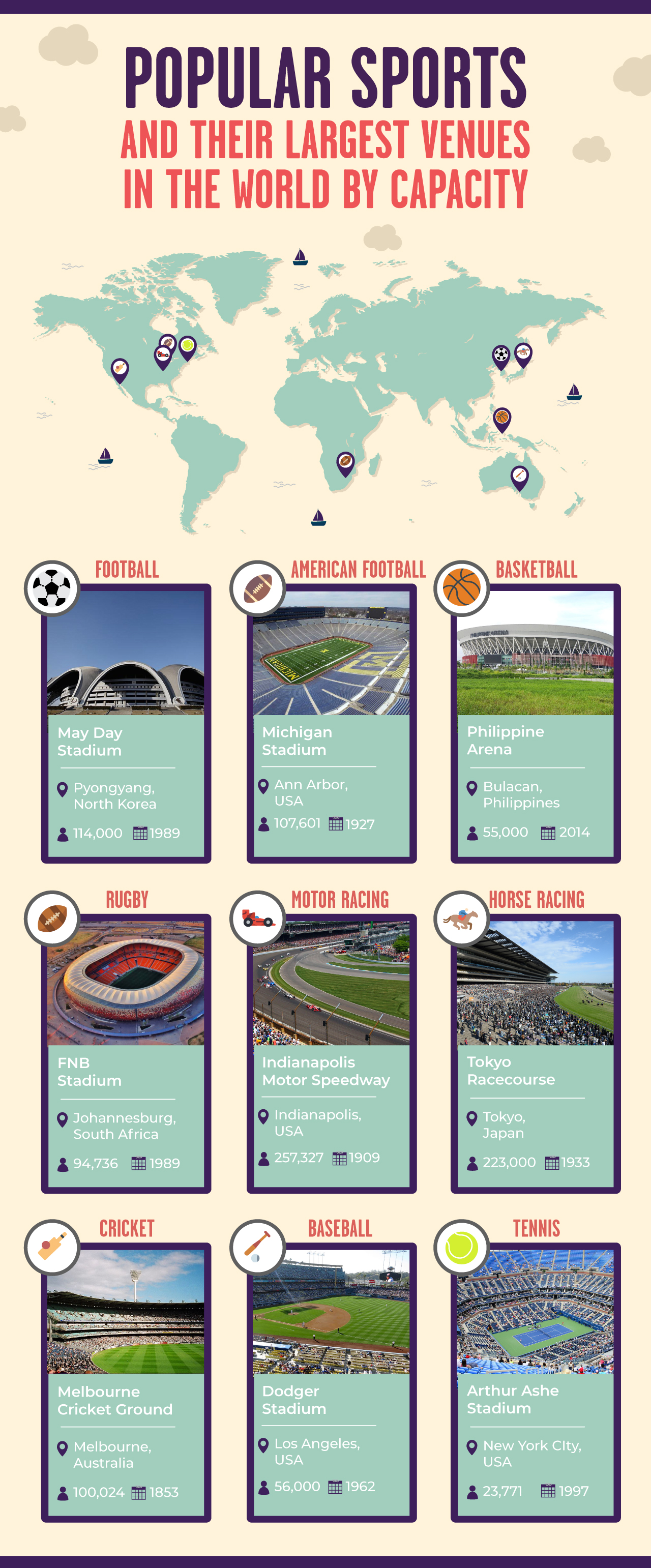
Sports Venue Capacity Infographic
Capacity comparison reference for understanding why fixture counts and pressure zones matter.

Cowboys Stadium Exterior Roof
Large enclosed venue reference for stadium-scale roof, envelope, and utility coordination.

Las Vegas MLB Ballpark Interior
Project-specific stadium reference connected to touchless fixture planning and restroom infrastructure.

UNL Memorial Stadium Game-Day View
University stadium crowd context for restroom surge demand and commercial sensor fixture planning.

Stadium Restroom Trough Sink
Direct restroom-fixture reference for touchless faucet spacing, user flow, and maintenance access.

Commercial Restroom Touchless Layout
Fixture-bank reference for plumbing rough-in, pressure review, and sensor activation coordination.
Conclusion: Specify for the Peak Moment, Not the Average Day
Stadium restroom infrastructure must perform under the most demanding event conditions. Proper fixture specification helps the plumbing system manage pressure, control water use, protect accessibility, reduce maintenance disruption, and support long-term reliability. Touchless commercial fixtures are especially useful when they are selected as part of a complete engineering strategy rather than treated as late-stage decorative items.
For AEC teams, the strongest approach is to coordinate the fixture package with plumbing calculations, electrical planning, access-panel layout, cleaning requirements, and owner maintenance standards. When the fixture schedule, rough-in details, power strategy, valve access, and commissioning requirements are aligned, the restroom becomes easier to operate during every event cycle. That is the difference between a restroom that simply opens on day one and a restroom that continues to perform after years of high-volume public use.
Verified Project References
Related Links for Stadium Restroom and Plumbing Coordination
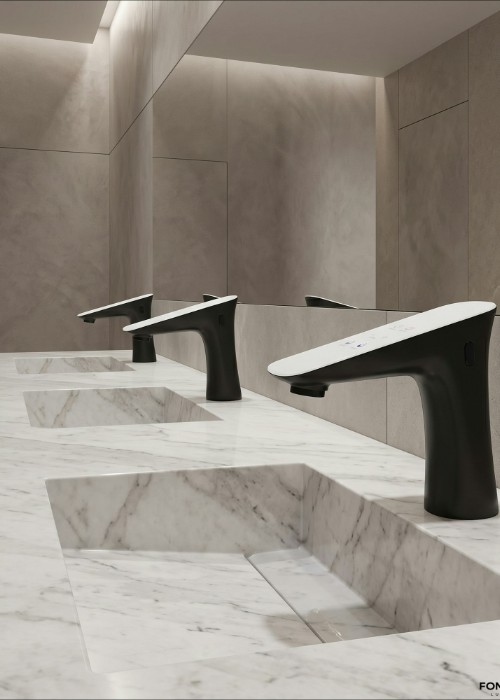
Plumbing Engineering Best Practices for Stadium Restroom Infrastructure
Stadium restroom infrastructure requires durable, fast-response, low-maintenance fixtures that can handle heavy restroom surges before events, during halftime, and after large public gatherings.
For plumbing engineers, the best restroom plans focus on sensor reliability, controlled water flow, vandal-resistant construction, service access, ADA-friendly fixture placement, and coordinated faucet-and-soap layouts that keep wash stations moving efficiently.
Two Products That Enhance Stadium Restroom Performance

Fontana Commercial Building Touchless Faucet
This faucet enhances stadium restroom performance by supporting hands-free activation, consistent sink operation, reduced touch points, and practical service planning for high-volume public facilities.
View Product
Fontana Automatic Sensor Faucet + Soap Dispenser
This coordinated faucet-and-soap system improves the overall wash-station flow by pairing touchless water delivery with automatic soap dispensing for busy stadium restroom environments.
View Product
Priya Calder is a staff writer and editorial team member at autotouchlessfaucets.com. Her coverage centers on sensor setup, mounting, maintenance, and facility applications, drawing on manufacturer materials, recognized standards, product documentation, and attributable sources to support clear, useful guidance.