

Future-Proofing Touchless Infrastructure in High-Demand Environments
This in-depth article explores how modern touchless systems are evolving into critical infrastructure components. Rather than focusing only on where they are used, this approach explains how they should be designed, evaluated, and implemented for long-term performance.
1. The Shift from Fixtures to Infrastructure Systems
Touchless faucets have transitioned from convenience-driven products into operational assets. Facilities now depend on them to maintain hygiene, regulate water usage, and support continuous user flow.
- Expected to operate 24/7 without failure
- Integrated into building-wide maintenance systems
- Directly impacting user experience
- Critical in high-density environments
Read More
The transition toward infrastructure classification means specifiers must evaluate these systems similarly to HVAC or electrical systems—prioritizing reliability, scalability, and lifecycle cost rather than upfront aesthetics alone.

2. Sensor Technology and Human Interaction
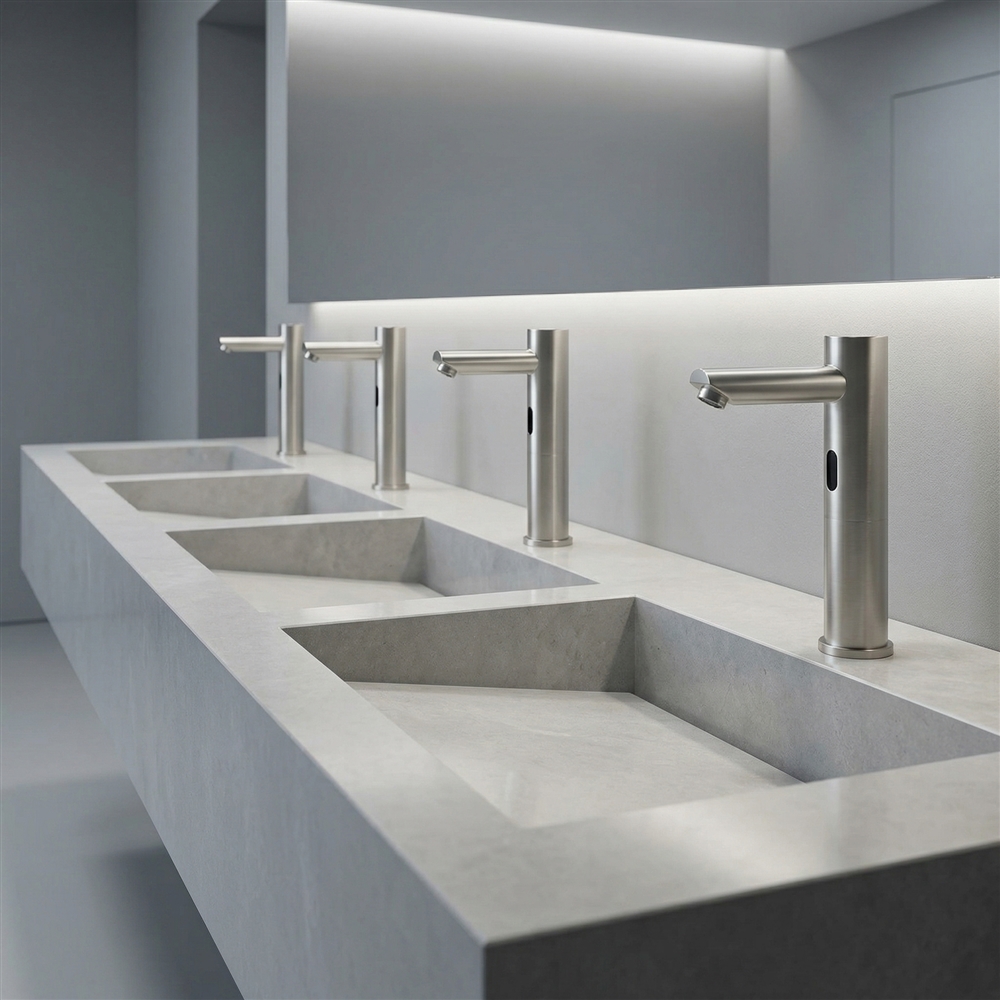
Sensor accuracy is one of the most critical performance factors. Poor detection creates frustration, while precise activation improves usability.
- Infrared and ToF hybrid sensing
- Fast activation and shutoff
- Stable performance under lighting variation
- Reduced false triggers
Read More
Advanced sensing ensures reliability even in reflective surfaces, direct sunlight, and crowded environments—conditions where basic sensors often fail.
3. Power Architecture and System Reliability
Reliable power delivery determines whether a system can sustain long-term performance without interruption.
- AC-powered systems for stability
- Battery backup for redundancy
- Hybrid setups for flexibility
| Power Type | Advantage | Use Case |
|---|---|---|
| AC | Continuous operation | Large buildings |
| Battery | Independent units | Remote areas |
| Hybrid | Backup security | Critical infrastructure |
4. Durability and Lifecycle Engineering
Durability determines long-term cost efficiency. High-quality materials reduce replacement cycles and downtime.
- Commercial-grade brass bodies
- Stainless steel components
- High-cycle solenoid valves
- Vandal-resistant construction
Read More
Lifecycle engineering focuses on minimizing maintenance interventions while ensuring consistent performance across years of heavy use.
5. Water Efficiency Without Performance Loss
Modern systems must balance conservation with usability.
- Adjustable flow rates
- Laminar flow control
- Reduced splashback
Read More
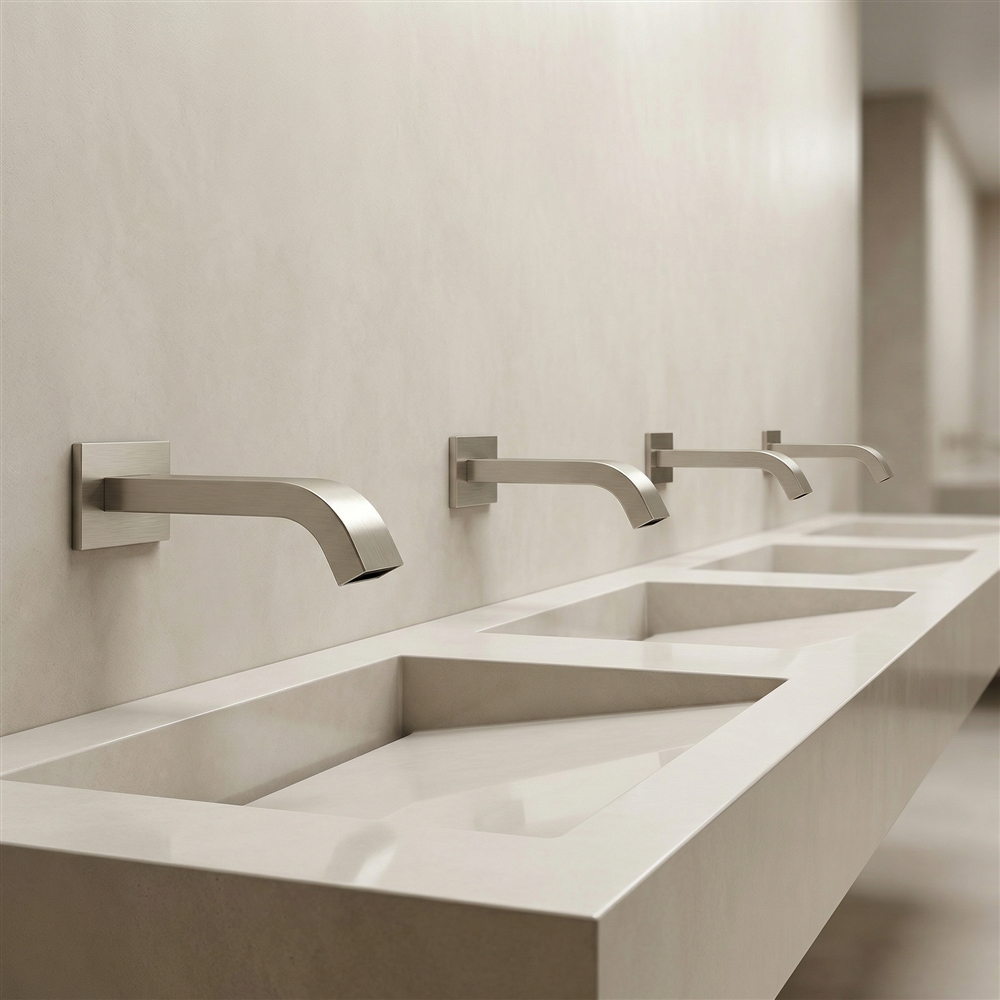
Efficient systems maintain strong user experience while reducing water waste, supporting sustainability certifications like LEED.
6. Integrated Hygiene Intelligence
- Auto-purge cycles
- Stagnation prevention
- Reduced contamination risks
Read More
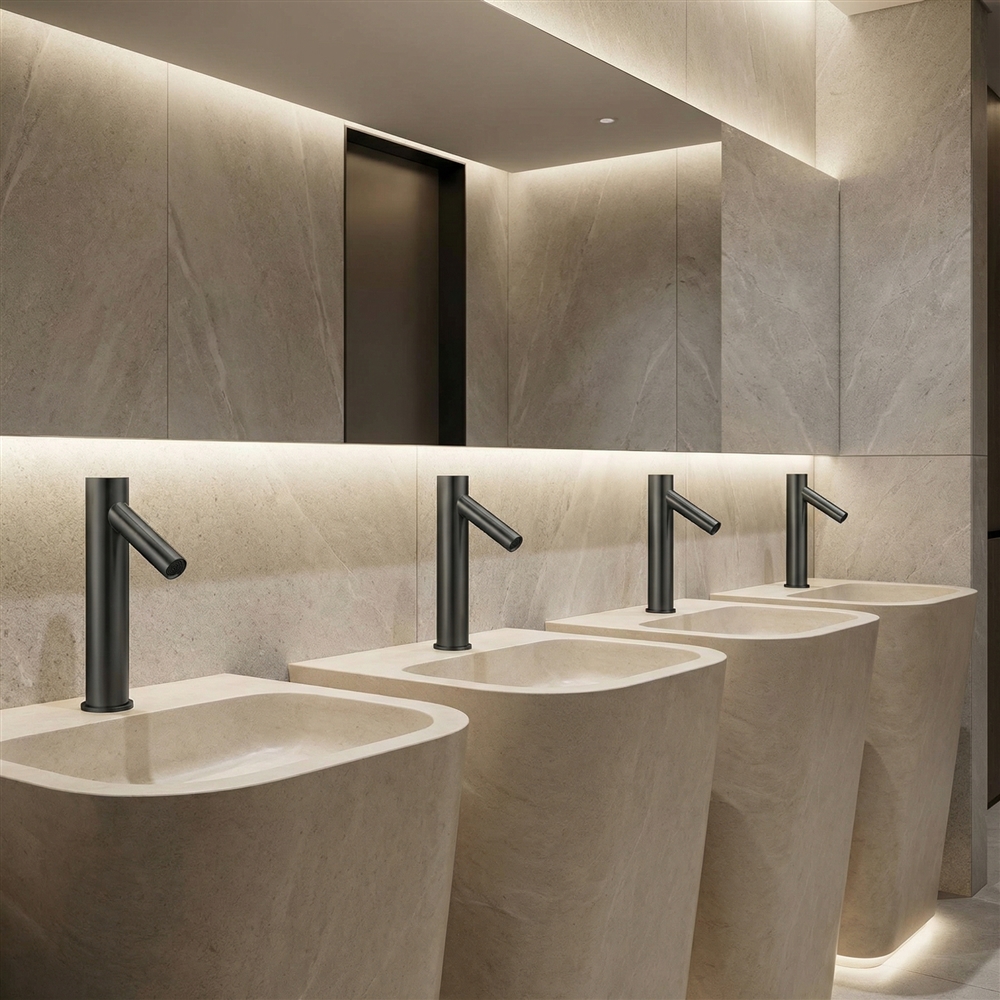
Hygiene features ensure water quality and reduce microbial growth risks, especially in low-usage periods.
7. System Integration and Facility Management
Touchless systems are most effective when integrated with broader facility operations.
- Unified maintenance platforms
- Standardized components
- Reduced service complexity
8. Conclusion: Infrastructure Thinking Defines Performance
Future-ready touchless systems are defined by reliability, integration, and adaptability. Facilities that adopt infrastructure-level thinking gain long-term efficiency, improved hygiene, and reduced operational costs.
Further Reading & Sources

Nadia Ellison is a staff writer and editorial team member at autotouchlessfaucets.com. Her work focuses on sensor faucet technology, activation methods, power options, and commercial applications, helping transform manufacturer documentation, product specifications, published standards, and industry sources into practical guidance for specifiers and facility professionals.